Fiber Optic Cables
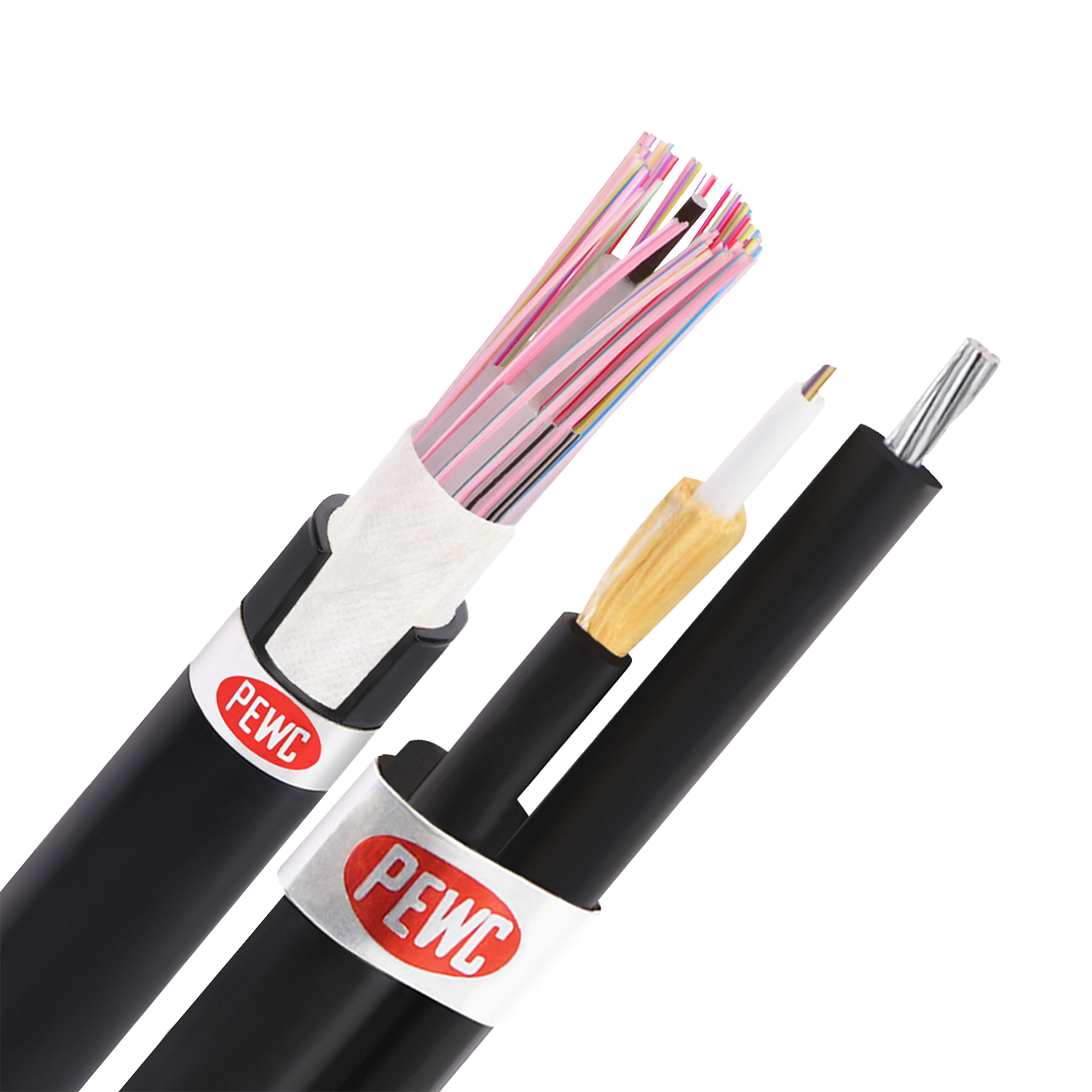
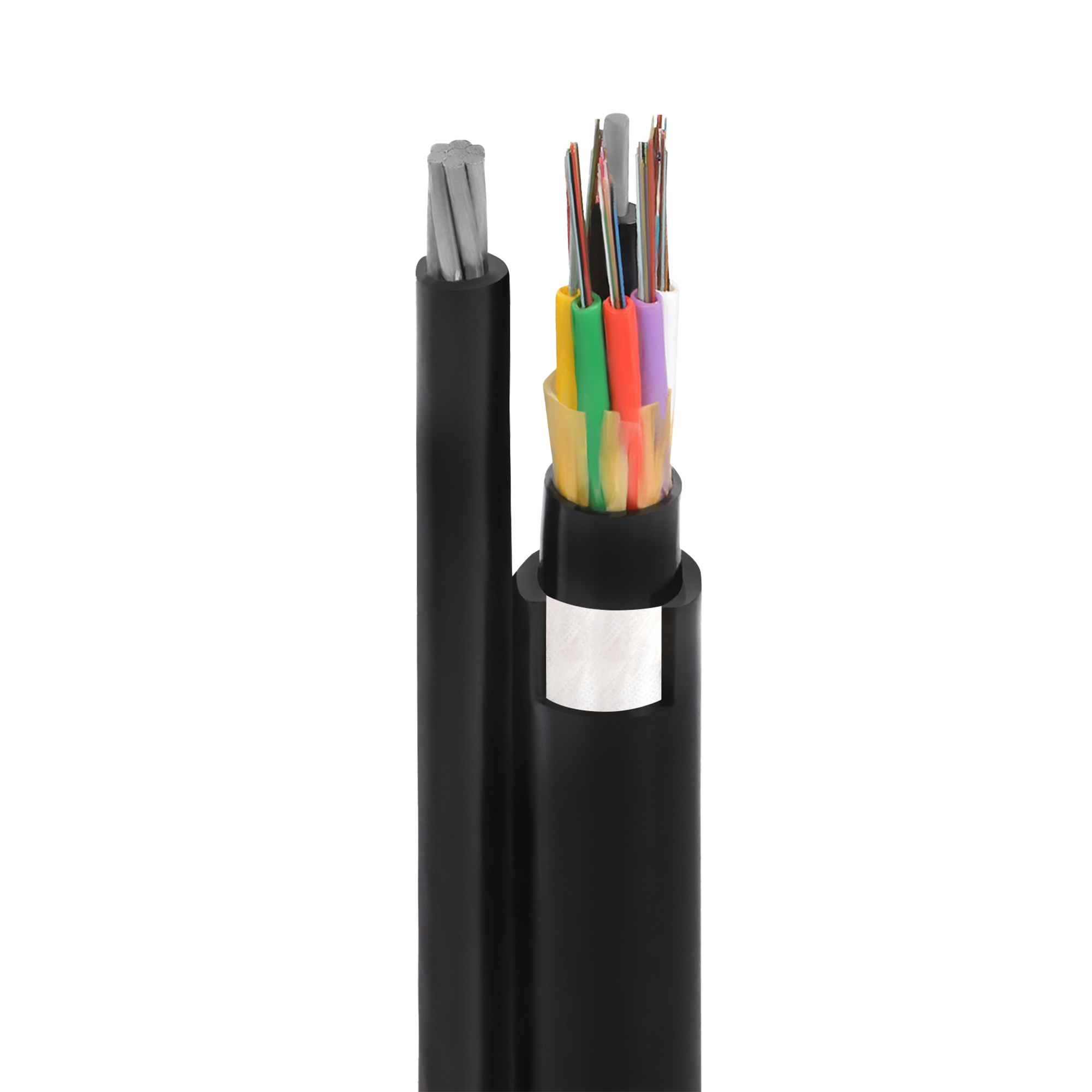
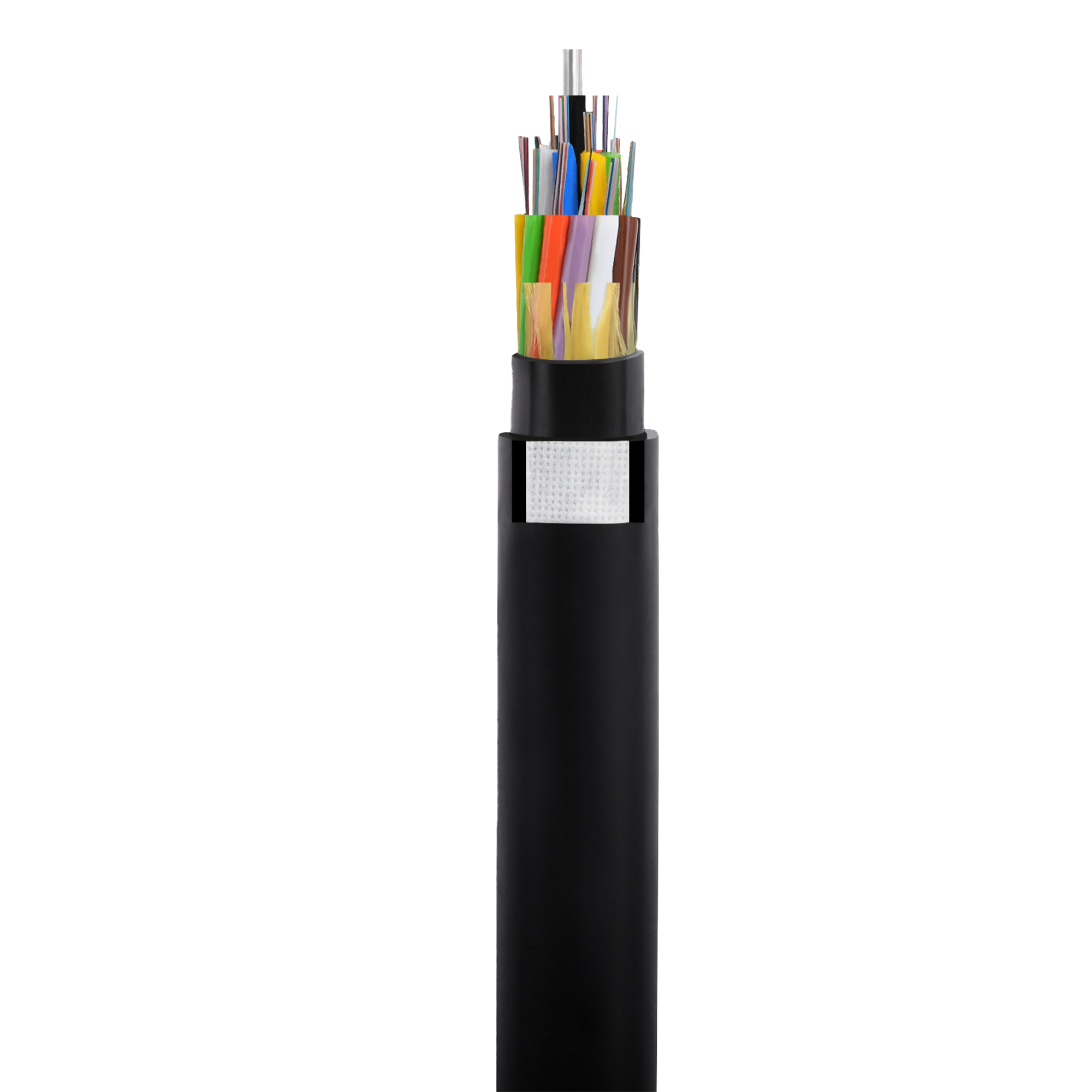
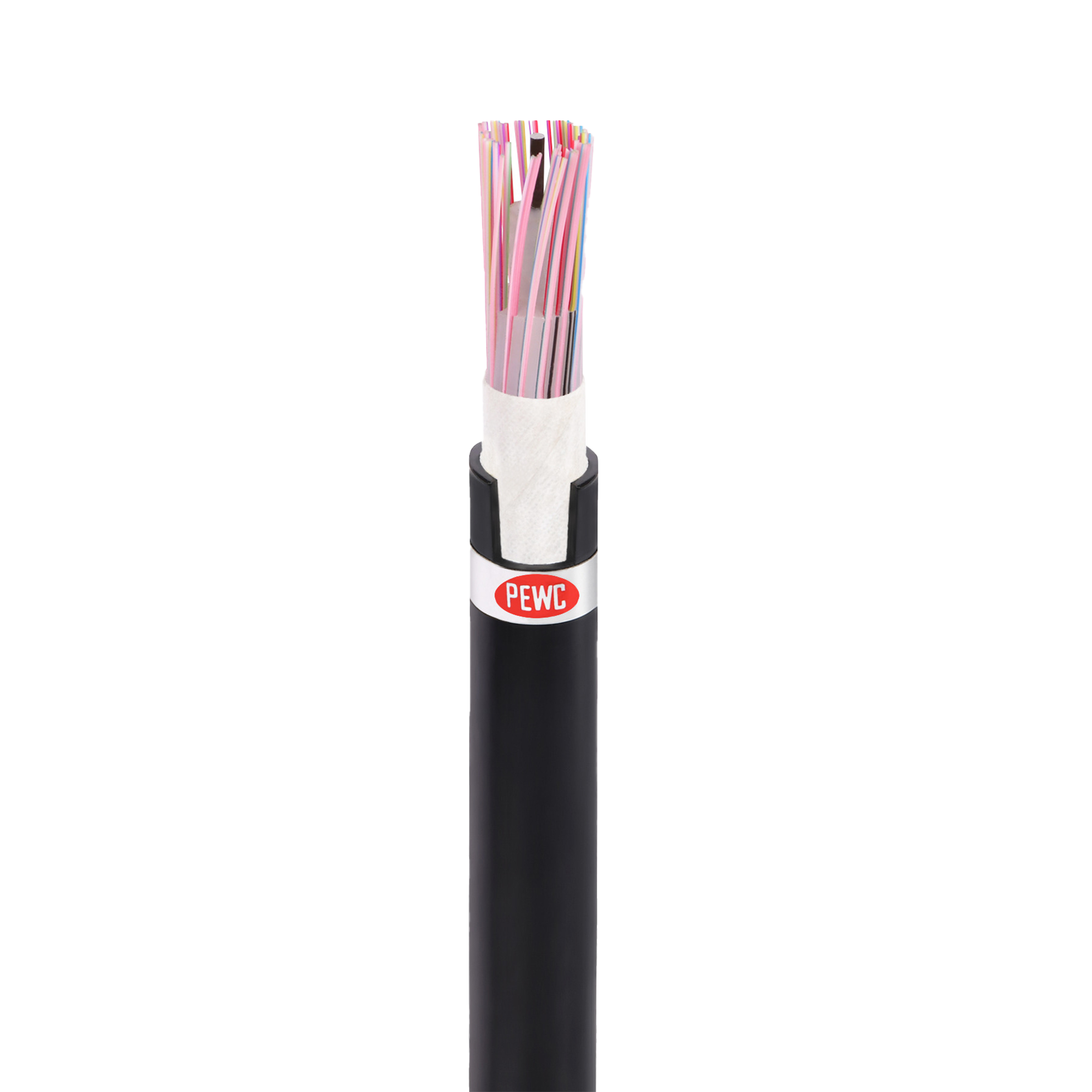
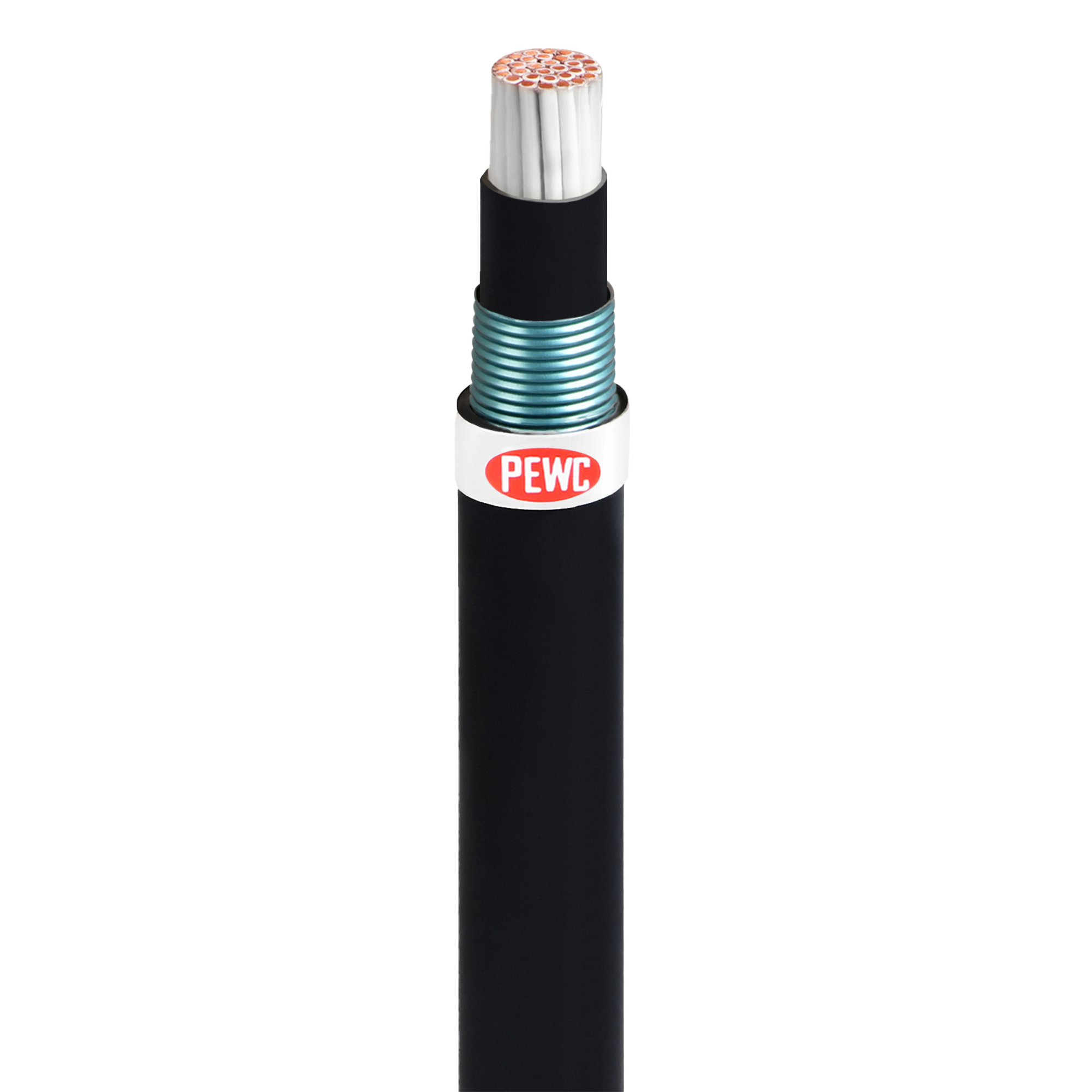
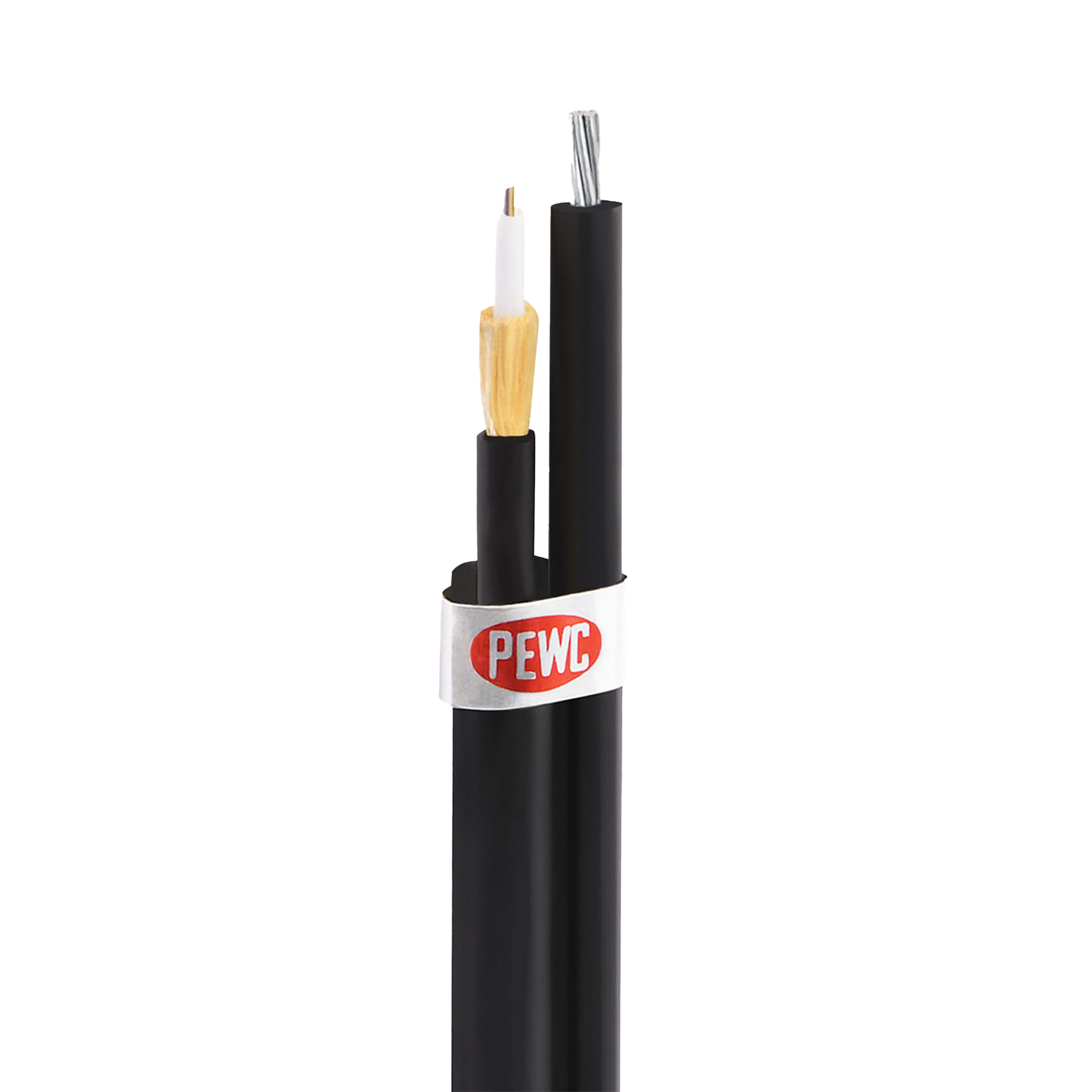
Since 1976, when Bell Laboratories completed the first experimental fiber optic cable in Atlanta, fiber optic cables have gradually replaced copper cables as the backbone of telecommunications networks, owing to their low signal attenuation, high bandwidth, small outer diameter, light weight, immunity to electromagnetic interference, and efficient resource utilization. In 1983, Pacific Electric was the first company in Taiwan to successfully develop a 6-core single-mode loose tube fiber optic cable. Subsequently, Pacific Electric partnered with Sumitomo Electric Industries, Ltd. to introduce the manufacturing and design technology of slotted core fiber optic cables. These products remain integral to the network infrastructure of Chunghwa Telecom and other leading telecommunications providers.
Key Features
Classification of Fiber Optic Cables
Fiber optic cables are designed based on fiber protection methods, installation practices, application environments, and specific functional requirements.
Fiber Protection Method
Loose tube type, slotted core type, and flat ribbon type.
Cable Installation Method
Duct type, self-supporting type, and direct buried type.
Environmental Conditions
Outdoor fiber optic cables, indoor fiber optic cables, and non-metallic fiber optic cables for high-voltage areas.
Special Application Requirements
Rodent-resistant, termite-resistant, low-smoke, halogen-free, and flame-retardant fiber optic cables for public buildings and tunnels.
In 2025, Pacific Electric obtained the ISO 14067 carbon footprint label for its 96-core loose tube fiber optic cable, demonstrating its commitment to environmental sustainability.

Verification Number: 2508544002.
PCR Document Number: 22047.
Applications
Industries
Connect with our global team
Get in Touch

