
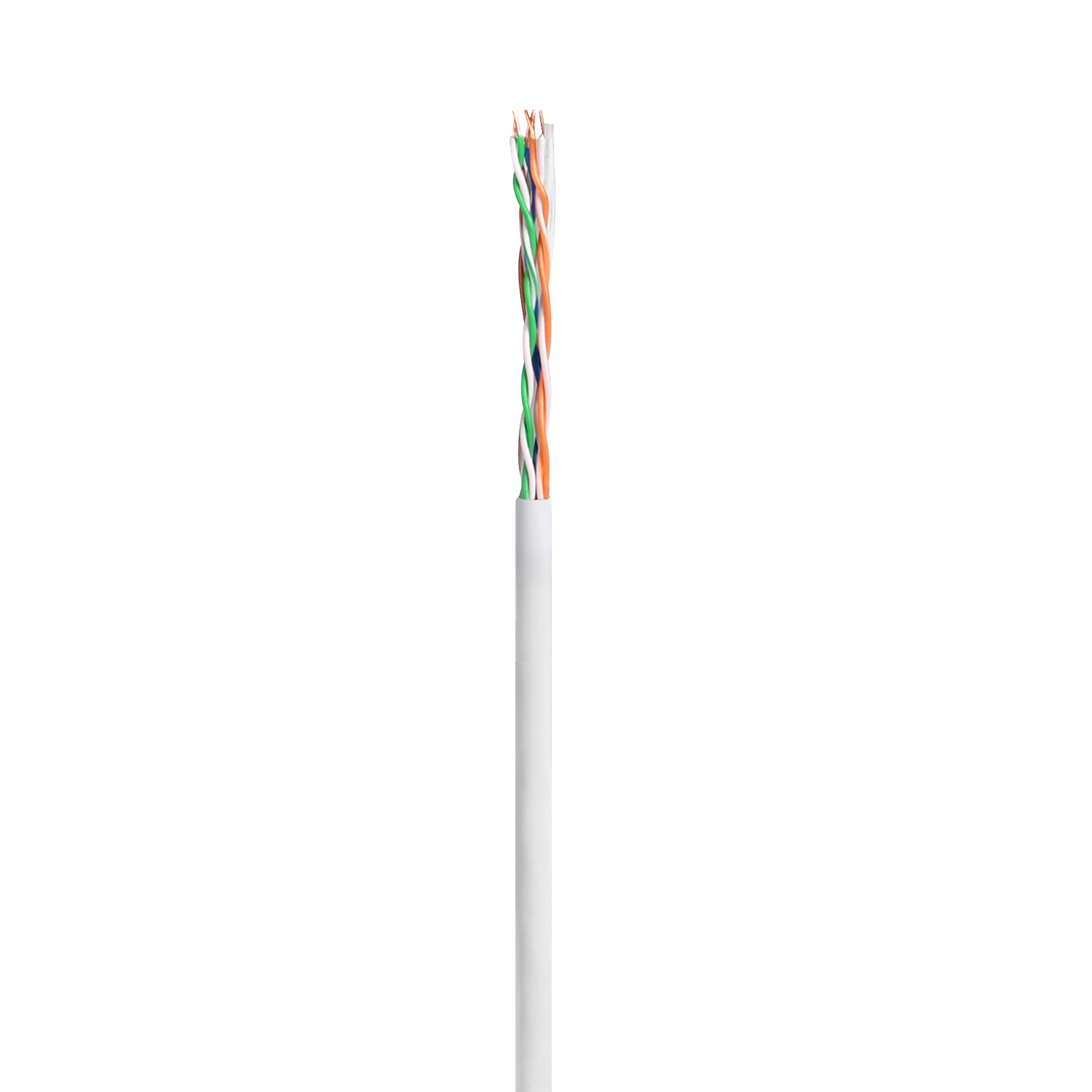


LAN Cables
In 1987, a cable manufacturer developed cables using twisted-pair copper wires for Ethernet networks, and in 1990, the IEEE released the 802.3i Ethernet standard for 10Base-T. In 1991, the EIA and the Telecommunications Industry Association (TIA) released the first telecommunications cabling standard, EIA/TIA 568, based on Category 3 unshielded twisted-pair (UTP) cables. One month later, Technical Systems Bulletin (TSB-36) was issued, defining higher-performance UTP cabling standards for Category 4 and Category 5. The evolution of networking has pushed Category 5 to its limits. Under the latest cabling standard, ANSI/TIA-568.2-D, cable categories now include Cat 5e (100MHz), Cat 6 (250MHz), Cat 6a (500MHz), and Cat 8 (2000MHz).
Key Features
LAN Cable Classification by Transmission Frequency
ANSI/TIA-568.2-D
ISO/IEC 11801
LAN Cable Structure
Based on the ISO/IEC 11801 cabling standard. For example, F/UTP denotes a UTP cable with an overall foil shield. The majority of cables in the market are UTP cables.
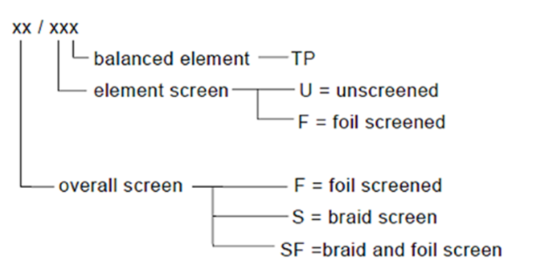
For example:
F/UTP denotes a UTP cable with an overall foil shield. The majority of cables in the market are UTP cables.
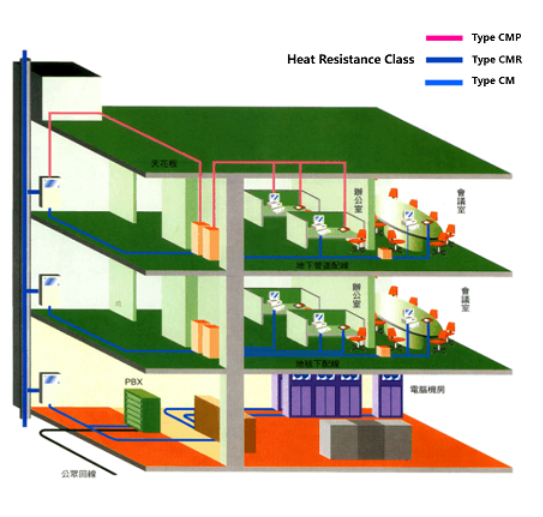
Local Area Network (LAN) Installation Diagram
Applications
Industries
Connect with our global team
Get in Touch

